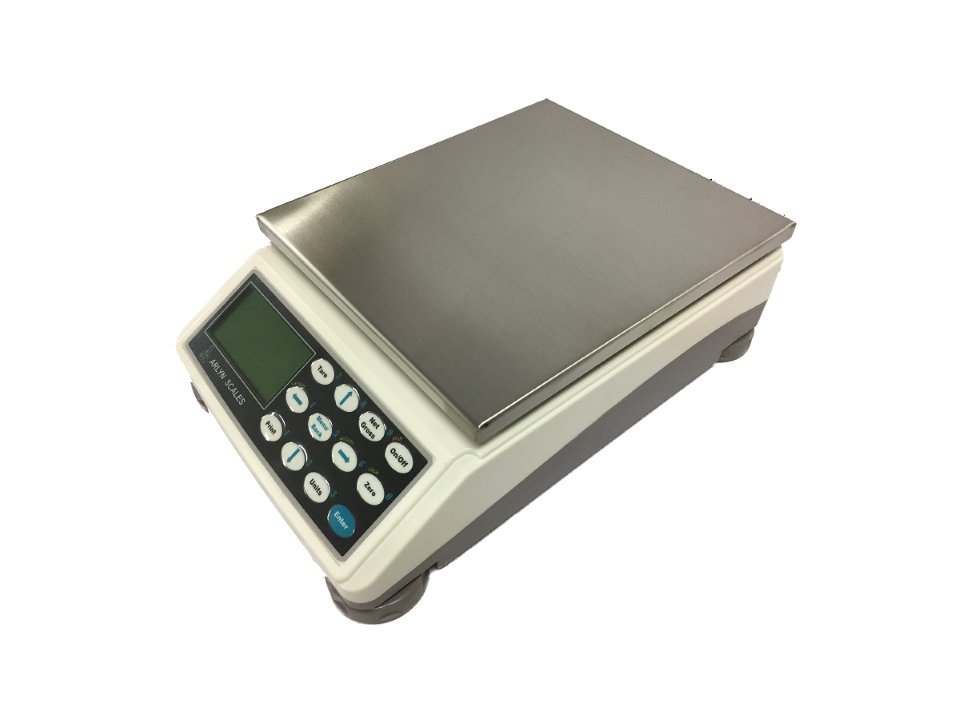
Laboratories use different weighing instruments because no single scale can provide every combination of capacity, readability, environmental protection and data functionality. A microbalance used for trace samples serves a very different purpose from an industrial bench scale used to weigh containers or production materials.
Quick answer: The principal types of laboratory weighing instruments include microbalances, analytical balances, precision balances, high-resolution balances, bench scales and industrial Ultra Precision scales. Choose among them by matching the maximum load, required readability, operating environment and data workflow—not simply by selecting the instrument with the most decimal places.
This guide explains the major categories and where Arlyn’s High Resolution Balances and Ultra Precision Scales fit.
Types of Laboratory Balances and Scales
| Instrument Type | Typical Purpose | Primary Advantage | Important Consideration |
|---|---|---|---|
| Microbalance | Trace-level samples | Microgram-range readability | Very low capacity and strict environmental control; not currently an Arlyn product category |
| Analytical balance | Small samples and detailed laboratory analysis | Fine readability in a compact format | Air movement, vibration and temperature changes can influence results |
| Precision balance | Routine formulation, sample preparation and quality control | Balance between readability and capacity | Definitions vary among manufacturers; compare actual specifications |
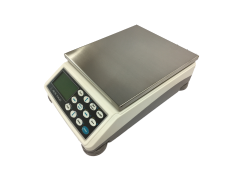
| High Resolution Balance | Milligram and sub-milligram measurements at lower capacities | Very fine displayed increments | Limited native upgrades and platform choices compared with Ultra Precision |
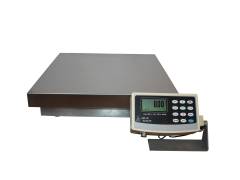
| Industrial bench scale | Containers, materials and routine laboratory production work | Higher capacity and industrial durability | May not provide the readability needed for very small samples |
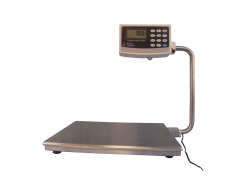
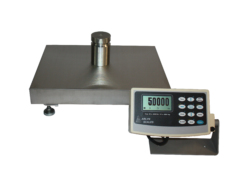
| Ultra Precision scale | Precision weighing at industrial capacities | Higher capacity, ruggedness, connectivity and customization | May not match the finest sub-milligram readability of a low-capacity balance |
| Intrinsically safe scale | Weighing in a formally classified hazardous location | Approved configurations for specified hazardous areas | The complete system must match the documented classification |
Microbalances
Microbalances are designed for extremely small samples and commonly provide readability in the microgram range. Their capacity is correspondingly low, and they normally require a carefully controlled installation.
They may require enclosed weighing chambers, anti-vibration tables and controls for static electricity, air movement and temperature. Arlyn does not currently position its High Resolution or Ultra Precision product lines as replacements for every true microbalance application.
Analytical Balances
Analytical balances combine low capacity with very fine readability. They are commonly used for sample preparation, chemical analysis and other laboratory procedures involving small quantities.
A draft shield can reduce the effect of air movement around the sample. It does not control the laboratory’s temperature or humidity, and it is not a containment system for hazardous materials.
When selecting an analytical balance, compare capacity, readability, accuracy, repeatability, calibration method and environmental requirements.
Precision Balances
Precision balances generally provide more capacity than analytical balances while retaining finer measurement performance than ordinary scales. The term does not describe one universal readability or accuracy level, so model specifications must be compared directly.
These balances can be useful for:
- Routine laboratory formulation
- Quality-control sampling
- Material testing
- Small-parts measurement
- Educational laboratories
Arlyn High Resolution Balances
Arlyn High Resolution Balances are intended for lower-capacity work requiring milligram or sub-milligram readability. Current models range from 200 g × 0.1 mg to 6,200 g × 10 mg.
These balances include RS-232 communication and offer selected printing and Windows-interface options. Their native upgrade and mechanical customization choices are more limited than those of the Ultra Precision line.
When the balance supplies the correct measurement performance but the workflow requires a touchscreen or expanded data functions, a compatible unit may be connected to Arlyn UpScale through Third-Party Scale Integration.
Industrial Bench Scales
Industrial bench scales are appropriate when the samples, containers or materials exceed the capacity or platform size of a laboratory balance. They trade extremely fine low-capacity readability for greater capacity and more rugged construction.
Bench scales can support routine laboratory receiving, container weighing, production sampling and quality-control work. Select the lowest capacity that safely covers the full gross load while meeting the process tolerance.
Arlyn Ultra Precision Scales
Arlyn Ultra Precision Scales use Surface Acoustic Wave technology to provide finer measurement performance than standard industrial strain-gauge models while supporting substantially higher capacities than laboratory-style High Resolution Balances.
Depending on the selected configuration, Ultra Precision systems can support:
- Bench and large-platform weighing
- Custom platforms and capacities
- Touchscreen indicators
- USB, Ethernet and Wi-Fi connectivity
- Industrial communication protocols
- Setpoints, alarms and relays
- Batching and filling
- Multi-scale systems
- Approved intrinsically safe configurations
Choose Ultra Precision when the laboratory needs to combine fine measurement performance with industrial capacity, durability or integration. Choose High Resolution when the finest low-capacity readability is the priority.
Intrinsically Safe Laboratory Scales
Some laboratories work with materials that can create a classified hazardous location. An intrinsically safe scale is needed only when the documented area classification requires approved equipment.
Provide the class, division or zone, material group and temperature requirements before selecting a system. Stainless steel construction or battery operation alone does not make a scale intrinsically safe.
Understanding Capacity, Readability and Accuracy
- Capacity: The maximum load the instrument is designed to measure.
- Readability: The smallest increment shown on the display.
- Resolution: A description of how finely the measurement range is divided, often expressed as a ratio or number of increments.
- Accuracy: How closely a result agrees with the actual value under specified conditions.
- Repeatability: How closely repeated measurements agree when the same load is measured under the same conditions.
Terminology can vary among manufacturers. Compare complete model specifications and the requirements of the laboratory procedure instead of relying on a category name.
How to Select a Laboratory Scale
Before choosing an instrument, document:
- The lightest and heaviest samples
- The weight of containers and fixtures
- The required readability and process tolerance
- Available work-surface or floor space
- Temperature, vibration and air movement
- Chemical, moisture or cleaning exposure
- Calibration and verification requirements
- Computer, LIMS, network or PLC connectivity
- Printing and data-retention requirements
- Any hazardous-area classification
Frequently Asked Questions
What is the difference between an analytical balance and a precision balance?
Analytical balances generally emphasize very fine readability at lower capacities and often use a draft shield. Precision balances commonly provide more capacity with somewhat larger displayed increments. Definitions vary, so compare actual specifications.
What is the difference between High Resolution and Ultra Precision scales?
High Resolution Balances prioritize milligram or sub-milligram readability at low capacities. Ultra Precision Scales support higher capacities, larger platforms and broader industrial connectivity, automation and customization.
Does finer readability always mean better accuracy?
No. Readability is the smallest displayed increment, while accuracy describes agreement with the actual value. Environmental conditions, calibration and repeatability also affect results.
Can a laboratory balance connect to Arlyn UpScale?
A compatible balance can be connected to UpScale through Third-Party Scale Integration. This can expand touchscreen and data functions without changing the original balance’s measurement performance.
When does a laboratory need an intrinsically safe scale?
An intrinsically safe configuration is required when the documented hazardous-area classification calls for approved equipment. The exact scale system must match that classification.
Find the Right Type of Laboratory Scale
For a detailed comparison of Arlyn’s laboratory options, review Analytical and Precision Laboratory Balances. You can also browse laboratory weighing solutions or contact Arlyn Scales for application assistance.
Related Laboratory & Research Scale Solutions
Explore weighing solutions for laboratories, universities, environmental research, precision measurement, gemstones, and other specialized research applications: