Custom Scales Applications
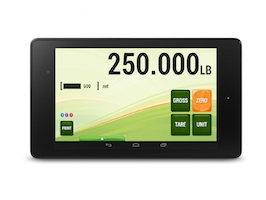
Custom scale applications begin where a standard catalog configuration no longer fits the load, equipment, environment, or workflow. Arlyn Scales can develop complete weighing systems or integrate measurement into carts, tanks, conveyors, frames, and OEM machinery.
This page focuses on what can be customized and where those capabilities are used. The final design depends on the load, required measurement performance, mounting conditions, environment, and the way weight data must be displayed, recorded, or used.
Quick answer: A custom industrial scale can combine a purpose-built platform or load-cell arrangement with selected measurement technology, operator controls, communication interfaces, data workflows, and automation. The goal is to make weighing part of the process instead of forcing the process around a standard platform.
If you are deciding whether customization is warranted, start with when a custom scale is the right choice. For the system-selection and specification path, use the custom industrial scale selection guide.
What Can Be Customized?
| System Element | Possible Customization | Application Value |
|---|---|---|
| Platform | Dimensions, capacity, height, material, ramps, and mechanical arrangement | Fits unusual loads, containers, pallets, or installed equipment |
| Load cells and sensors | Capacity, mounting, geometry, sensor count, and signal type | Builds weighing into tanks, frames, carts, conveyors, and OEM machinery |
| Measurement technology | Standard strain gauge or Ultra Precision SAW configurations | Matches capacity, readability, and process tolerance |
| Construction | Aluminum, coated steel, stainless steel, and selected enclosures | Addresses portability, corrosion, cleaning, and environmental exposure |
| Display and interface | Digital indicator, UpScale Touchscreen, remote display, or output without a local display | Places weight information and controls where operators need them |
| Data communication | Serial, USB, Ethernet, Wi-Fi, analog output, API, and industrial protocols | Routes weight data to computers, PLCs, databases, and networks |
| Automation | Setpoints, relays, alarms, checkweighing, filling, and batching | Uses measured weight to support process decisions or equipment control |
| Software and records | Custom fields, data logging, user records, barcodes, and cloud workflows | Supports traceability and reduces manual transcription |
Customization availability depends on the selected product, engineering requirements, quantity, and any required approvals. The written quotation defines the final scope, price, and production schedule.
Custom Scale Application Examples
Parts Counting and Inventory Monitoring
Platforms or sensors can monitor bins, racks, and containers. Weight data can estimate the quantity of uniform parts, flag replenishment points, and feed a compatible inventory record. See Arlyn’s parts counting scales for dedicated counting functions.
Laundry Cart and Mobile Container Weighing
Load cells can be incorporated into carts or low-profile stations so contents are measured without transferring them to a separate scale. The result can support route records, billing, production totals, or load control. Arlyn also offers platform scales for laundry applications.
Conveyor Checkweighing
A weighing section can compare each package with an expected range during production. Configured outputs can signal an operator, classify a result, drive a reject mechanism, or pass the transaction to a downstream record system.
Gas Cylinder and Container-Level Monitoring
Continuous weight monitoring can track remaining product in cylinders and containers, including liquefied gases that pressure alone may not measure reliably. Low-level alarms and recorded usage can support timely changeover and inventory planning. Explore gas cylinder scale applications.
Paint, Chemical, and Ingredient Formulation
Weight-based formulation can guide operators or an automated system through controlled additions of pigments, chemicals, or other ingredients. The scale is selected around total batch weight, the smallest meaningful addition, process tolerance, and environment. See an example of paint and ingredient mixing by weight.
Tank, Vessel, and Hopper Weighing
Custom load cells and instrumentation can measure material stored or processed inside tanks, silos, hoppers, and vessels. Correct mounting, load distribution, piping forces, and structural movement are central to useful results. Arlyn’s digital load cell systems provide one route for integrated weighing.
Quality-Control and Completeness Checking
Weight can help verify that packages, kits, or assemblies contain the expected material. A checkweighing workflow can return high, low, or acceptable results and retain the transaction for process records.
Custom Load Cells and Mechanical Integration
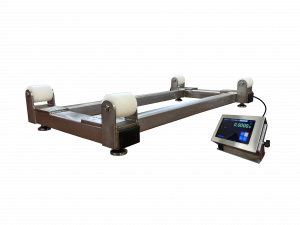
A custom sensor arrangement is useful when a conventional platform cannot fit the equipment or when weight measurement must become part of an existing structure. Typical integration points include tanks, frames, carts, conveyors, storage systems, and OEM machinery.
Engineering decisions extend beyond rated capacity. The complete design accounts for total gross load, mounting points, load distribution, off-center forces, shock, vibration, structural deflection, movement, and environmental exposure. Those factors determine whether the system can transfer force to the sensors consistently.
Measurement, Data, and Automation Capabilities
Measurement and Platform Configuration
Standard strain-gauge technology suits many production, shipping, inventory, and container-weighing applications. Arlyn’s Ultra Precision scales and sensors serve applications that need finer readability at industrial capacities. Selection should follow the required process tolerance, total load, installation conditions, and complete system specifications.
Interfaces and Data Workflows
Depending on the scale and indicator, a custom system may use serial, USB, Ethernet, Wi-Fi, analog, Web API, or industrial protocol connections. These interfaces can feed computers, PLCs, databases, cloud services, and local records. Current options are summarized on the scale communication options page.
A configured Arlyn UpScale integration can add operator fields, user workflows, barcode functions, data logging, and network communication to a compatible weighing system. UpScale adds interface, data, and workflow functions. The source scale still determines capacity, readability, measurement performance, and environmental rating.
Filling, Batching, and Checkweighing
Weight can support automated or semi-automated filling, ingredient dispensing, batching, alarms, and product classification. A configured system may operate feeders, pumps, valves, mixers, or reject mechanisms as a target is approached or reached. The control design accounts for target weights, allowable tolerance, output type, timing, material flow, and overshoot. Safety interlocks and emergency stops belong in the properly engineered control system.
Specialized Operating Environments
Wet, Corrosive, and Washdown Applications
Water, cleaning chemicals, acids, salts, solvents, and corrosive materials affect the choice of platform material, protective finish, enclosure, cables, and connectors. Stainless steel can be one part of the solution. Washdown suitability depends on the environmental rating and approved cleaning method for the entire configured system.
Hazardous and Classified Locations
A formally classified location requires equipment suitable for its documented class, division or zone, material group, and temperature requirements. Stainless construction, a low-voltage circuit, or battery power alone does not establish intrinsic safety. See ArlynGuard scales for hazardous environments for approved configuration paths.
Planning the system: The custom industrial scale selection guide explains the load, measurement, environment, mounting, interface, and control details used to define a quotation.
Frequently Asked Questions
Can Arlyn integrate weighing into existing equipment?
Custom load cells, platforms, and instrumentation may be integrated into tanks, frames, carts, conveyors, storage systems, and OEM machinery. Feasibility depends on the structure, load path, mounting, movement, environment, and required measurement performance.
Can a custom scale automate filling or checkweighing?
Yes. A compatible configuration can use setpoints, relays, alarms, and control outputs to support filling, batching, dispensing, or checkweighing. The surrounding control system must address sequencing, overshoot, interlocks, and emergency functions.
Can a custom scale be configured for washdown or hazardous locations?
Suitable configurations may be available for wet, corrosive, washdown, or classified environments. The required rating applies to the complete system, including the platform, sensors, indicator, wiring, connectors, and installation method.
Discuss a Custom Weighing Application
Call Arlyn Scales at 800-645-4301 or use the online contact form to discuss the load, installation, environment, measurement performance, data path, and control functions for your application.